Modern Techniques for Energy-Efficient Home Renovations
Renovating an older home to improve energy efficiency requires a thoughtful approach that balances modern technology with the unique characteristics of existing structures. Many homes built before the widespread adoption of energy codes often lack adequate insulation, suffer from drafty windows, and rely on outdated heating and cooling systems. Addressing these areas can lead to noticeable changes in indoor comfort and energy use, though the extent of improvement depends on the specific conditions of each property, local climate, and the quality of installation.
Homeowners considering such upgrades typically look for methods that not only reduce energy consumption but also enhance the overall livability of the space. This article explores several contemporary techniques for insulation, window glazing, and HVAC upgrades. The focus is on explaining how these approaches work, what factors influence their effectiveness, and how they can be integrated into a comprehensive renovation plan. By understanding the principles behind these technologies, property owners can make informed decisions that align with their goals and budget.
Advanced Insulation Materials and Application Methods
Insulation acts as a barrier to heat flow, and its performance is measured by the R-value per inch of material. For older homes, traditional fiberglass batts often leave gaps and are prone to settling, which reduces their effectiveness over time. Modern alternatives include spray polyurethane foam, which expands to fill cavities and creates an air seal. Closed-cell foam offers a higher R-value per inch than open-cell, and it also provides some structural reinforcement and moisture resistance. However, the choice between these types depends on the specific area being insulated and the desired balance between cost and performance.
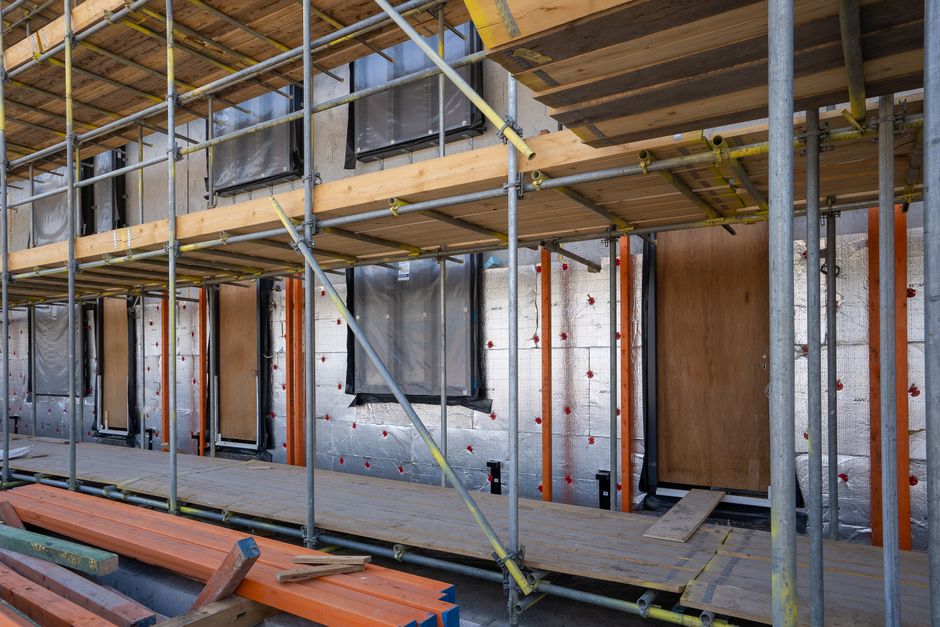
Another emerging technique involves the use of rigid foam boards for exterior wall insulation. By applying continuous insulation on the outside of the existing structure, thermal bridging through studs is minimized. This approach requires careful planning to manage moisture dynamics, as the building envelope must be designed to allow for proper drying. Similarly, blown-in cellulose insulation made from recycled paper treated with fire retardants is an effective option for attics and wall cavities. It can be installed without major demolition, making it suitable for retrofits. Each method has its own installation requirements and potential impact on indoor air quality, so consulting with a qualified contractor is recommended to evaluate the specific needs of the home.
Window Glazing Technologies for Thermal Performance
Windows are often the weakest link in a building’s thermal envelope. Traditional single-pane windows allow significant heat transfer, but modern glazing techniques have greatly improved performance. Low-emissivity (Low-E) coatings are microscopically thin layers applied to glass surfaces that reflect infrared heat while allowing visible light to pass through. The effectiveness of Low-E coatings depends on the climate zone; for colder regions, coatings that retain indoor heat are preferable, while in warmer climates, coatings that block solar heat gain are more beneficial.
Another advancement is the use of gas fills between panes. Argon and krypton gases have lower thermal conductivity than air, reducing heat transfer across the window unit. When combined with double or triple glazing, the overall U-factor (a measure of heat loss) can be significantly lowered. Additionally, warm-edge spacers made from materials with lower thermal conductivity help minimize heat loss at the edges of the window frame. Retrofitting existing windows with storm windows or applying insulating window films can be a more affordable alternative to full replacement, but the performance gains are generally less than those achieved with new high-performance units. The choice of glazing should be guided by the orientation of the windows, local weather patterns, and the existing window frame condition.
HVAC System Upgrades and Zoning Strategies
Heating, ventilation, and air conditioning (HVAC) systems account for a substantial portion of household energy use. In older homes, ductwork is often undersized, leaky, or poorly configured. Before replacing the heating or cooling equipment, sealing and insulating the ductwork can improve efficiency by preventing conditioned air from escaping into unconditioned spaces. Duct sealing with mastic or aerosol-based sealants is a proven method that reduces leakage significantly.
Modern HVAC equipment includes variable-speed compressors and fans that adjust output to match the actual load, rather than running at full capacity constantly. Ductless mini-split systems are another option for homes without existing ducts, as they allow for targeted heating and cooling in individual rooms. Zoning systems, which use dampers and multiple thermostats, can be added to forced-air systems to direct conditioned air only where it is needed. Heat pumps, especially cold-climate models, have become increasingly viable for whole-home heating and cooling, even in northern regions. However, the effectiveness of any HVAC upgrade depends on the home’s insulation levels and air sealing. A professional energy audit can help identify the most impactful improvements and ensure that the system is properly sized, as oversized equipment tends to short-cycle and reduce comfort.
Integrating Passive Design Principles
Beyond specific upgrades, the overall design of the renovation can incorporate passive strategies that reduce the need for mechanical systems. For example, improving airtightness by sealing gaps around windows, doors, and penetrations can dramatically reduce infiltration. Blower door tests are used to measure air leakage, and subsequent sealing with caulk, weatherstripping, or expanding foam can bring the home closer to modern standards. While tightening the envelope is beneficial, mechanical ventilation must be introduced to maintain indoor air quality, such as energy recovery ventilators (ERVs) that transfer heat and moisture between incoming and outgoing air streams.
Passive solar design elements, such as properly sized overhangs and thermal mass materials, can help regulate indoor temperatures naturally. In colder months, south-facing windows allow solar heat to enter, while thermal mass like concrete floors or brick walls absorb and slowly release that heat. During summer, overhangs block high-angle sunlight. These features work best when combined with the insulation and glazing strategies discussed earlier. Renovations that respect the existing building orientation and structure can achieve meaningful reductions in energy demand without requiring major structural changes.
Planning and Prioritizing Renovation Steps
A successful energy-efficiency renovation typically follows a logical sequence. The first step is a comprehensive assessment, including an energy audit, blower door test, and thermal imaging to identify problem areas. Based on the findings, priorities are set: air sealing and insulation usually offer the highest return on investment, followed by window improvements and then HVAC upgrades. It is also important to consider how different measures interact. For instance, adding insulation without addressing air leaks may not yield the expected savings, and installing a high-efficiency furnace in a drafty home can lead to discomfort and increased cycling.
Budget constraints and the extent of renovation work play a role in decision-making. Some upgrades, such as attic insulation and duct sealing, can be completed relatively quickly and with minimal disruption. Others, like replacing windows or adding exterior insulation, may require more extensive construction. Homeowners may choose to phase the work over several years, but a coherent plan helps avoid conflicts between phases. For example, if new siding is planned, that is an ideal time to add exterior insulation. BuildCraft, as a company specializing in remodeling, often advises clients to start with the measures that improve the building envelope before addressing mechanical systems, as the latter can then be sized more accurately.
Ultimately, the goal of modern energy-efficient renovations is to create a home that is comfortable, durable, and less resource-intensive. While no single technique guarantees a specific outcome, a systematic approach that combines advanced materials, careful installation, and an understanding of building science can make older homes perform remarkably better. Each property presents unique opportunities and constraints, and the most effective solutions are those tailored to the specific conditions of the building and the preferences of its occupants.