How to Effectively Manage and Supervise Your Contractor
Managing a contractor on a construction project involves coordinating multiple activities, timelines, and stakeholders. The process requires clear communication, consistent oversight, and careful attention to contractual obligations. Many project owners find that a structured approach to supervision helps reduce misunderstandings and keeps the work aligned with initial plans. Whether the project involves residential renovations or commercial builds, establishing a framework for interaction from the outset can support a smoother workflow.
Supervision does not mean micromanaging every detail. Instead, it focuses on verifying that the contractor’s work meets agreed-upon standards and that any deviations are documented and addressed. This article explores several practices that can help project owners and their representatives maintain effective oversight throughout the construction phase. Each practice is presented as a method to consider rather than a guarantee of success, as outcomes depend on many site-specific factors.
The recommendations here are based on common industry approaches and are not intended to replace professional judgment. For specialized guidance, consulting with architects, engineers, or legal advisors familiar with local regulations in the United States remains advisable.
Setting Clear Expectations from the Start
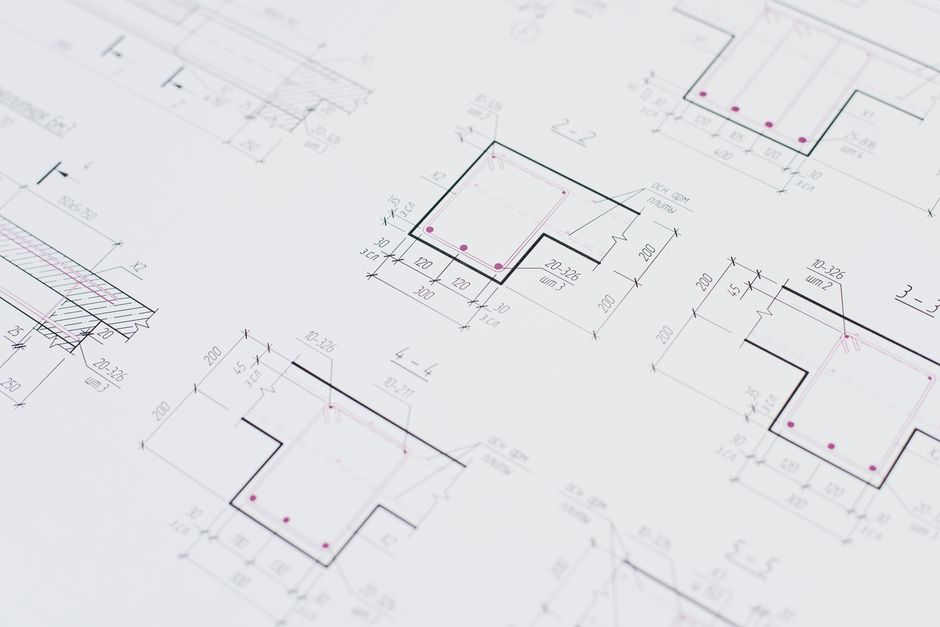
Before any physical work begins, the foundation of contractor management lies in the contract and supporting documents. A well-defined scope of work, detailed plans, and a realistic schedule reduce ambiguity. Project owners can benefit from reviewing these documents alongside the contractor to confirm mutual understanding. Topics such as material specifications, quality benchmarks, and acceptable tolerances should be explicitly stated rather than assumed.
Communication protocols also deserve early attention. Establishing how and when updates will be shared avoids last-minute surprises. For example, specifying that weekly progress reports or a shared digital log will be used provides a consistent record. Many teams find it useful to designate a single point of contact for day-to-day questions. BuildCraft, for instance, offers project management templates that can help structure these initial discussions, though any consistent method can serve the same purpose.
Payment terms and milestone triggers should be outlined clearly. Linking payments to completed phases of work rather than a fixed calendar schedule can provide motivation for timely progress. Additionally, including provisions for change orders explains how adjustments to the scope will be evaluated and priced. These upfront agreements create a reference point that both parties can rely on throughout the project.
Establishing Regular Communication and Reporting
Routine communication helps maintain alignment between the project owner and the contractor. Weekly meetings, whether in person or virtual, offer a forum to review completed tasks, upcoming activities, and any emerging issues. Meeting minutes that capture decisions and action items provide a written record that can prevent later disagreements. Some project owners also request a brief daily or weekly status update via email or a mobile app.
Progress reports should include concrete metrics such as percentage of work completed, materials received, and any deviations from the schedule. When delays occur, discussing the reasons and potential adjustments early allows both sides to plan accordingly. It is important to frame these conversations as collaborative problem-solving rather than fault-finding. The goal is to keep the project moving forward while respecting each party’s responsibilities.
Transparency in reporting also covers safety and compliance. Regular documentation of site conditions, test results, and inspection records supports accountability. If external inspectors or third-party reviewers are involved, their findings should be shared promptly. Maintaining an organized repository of all communications and reports helps if questions arise later in the project or during final closeout.
Monitoring Progress and Quality
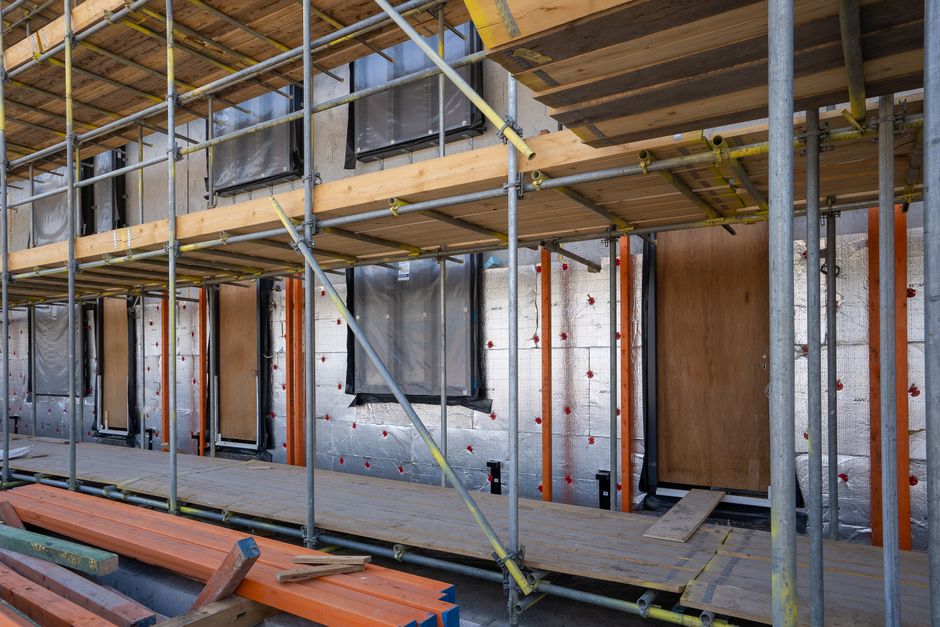
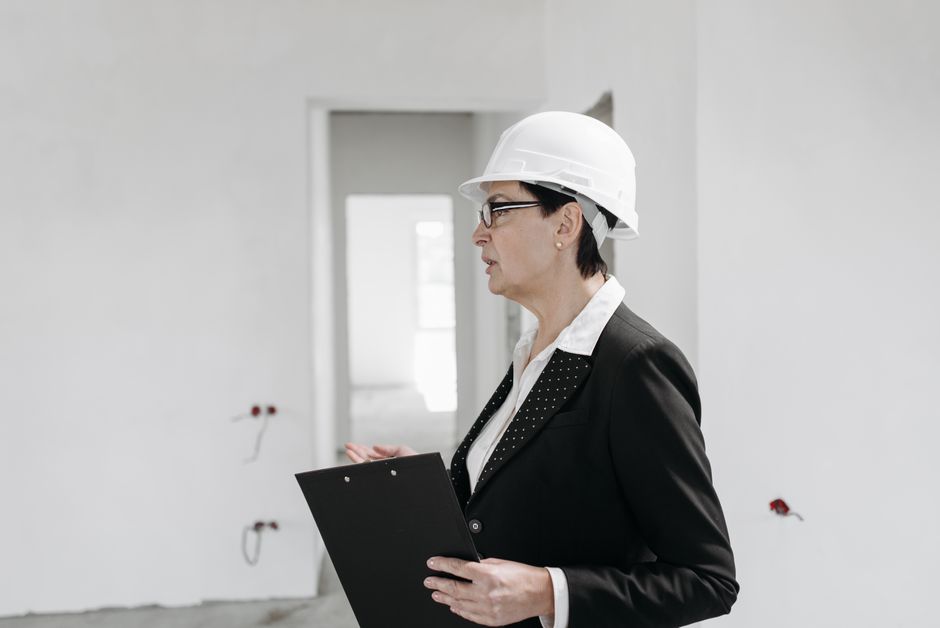
On-site observations are a key component of effective supervision. Visiting the work site at regular intervals allows project owners or their representatives to compare actual progress against the schedule and verify that construction methods match the approved plans. These visits do not need to be lengthy; even brief inspections can catch potential issues early. Many owners schedule visits at the end of each major phase or when a specific deliverable is completed.
Quality control involves checking that materials and workmanship meet the standards defined in the contract. This may involve reviewing manufacturer specifications, testing samples, or comparing installed elements to the design drawings. If discrepancies are found, documenting them with photographs and written notes helps during discussions with the contractor. A systematic approach to inspections, such as using a checklist, reduces the chance of overlooking critical items.
It is also useful to track the completion of key milestones, such as foundation pouring, rough-in inspections, or drywall installation. Progress photos and logs create a timeline that can be referenced throughout the project. When the contractor is aware that progress is being observed consistently, it often encourages attention to detail. However, the primary purpose of monitoring is to confirm alignment with the project requirements, not to create an adversarial atmosphere.
Verifying Compliance with Contracts and Regulations
Contract compliance extends beyond quality and schedule. It includes adherence to permitting requirements, safety standards, and insurance obligations. Project owners should verify that the contractor holds current licenses and that necessary permits are obtained before work begins. Periodic checks of insurance certificates and worker’s compensation coverage help ensure that protection remains in place throughout the construction period.
Regulatory inspections are often required by local authorities at various stages. Coordinating with the contractor to schedule these inspections and reviewing the resulting reports provides an independent assessment of compliance. Any violations or recommendations should be addressed promptly. Keeping copies of all permits, inspection reports, and correspondence with regulatory bodies creates a paper trail that can be useful for future reference or if disputes arise.
Subcontractor management is another area where vigilance matters. While the general contractor usually oversees subcontractors, the project owner may still want to confirm that subcontractors are licensed and insured. Including a clause in the contract that requires the general contractor to provide documentation for all subcontractors can simplify this process. A consistent policy of reviewing compliance items at regular intervals helps avoid last-minute compliance issues that could delay project completion.
Handling Changes and Resolving Disputes
Changes to the original scope are common in construction. When they occur, a formal change order process helps manage their impact. The process typically involves documenting the requested change, estimating cost and schedule effects, obtaining written approval, and updating the project plan. Without a structured approach, changes can lead to cost overruns or schedule drift. Project owners should insist on written documentation even for minor adjustments to maintain a clear record.
Disagreements may arise over interpretation of contract terms, quality of work, or payment amounts. Establishing a dispute resolution mechanism in the contract — such as mediation or arbitration — provides a predefined path for addressing conflicts. In many cases, early and direct communication can resolve misunderstandings before they escalate. If a dispute does arise, keeping a neutral and fact-based stance helps preserve the working relationship. Both parties benefit from focusing on the contract language and objective evidence rather than personal opinions.
When changes or disputes occur, project owners should consult with legal counsel or construction advisors to understand their rights and obligations. The information presented here is not a substitute for professional advice, as each project involves unique circumstances and local regulations.
Closing Out the Project
The final phase of contractor management involves completing a thorough project closeout. A final walkthrough with the contractor identifies any incomplete or defective work, often recorded on a punch list. Each item on the list should be addressed and verified before final payment is released. It is also important to collect all documentation, including warranties, maintenance manuals, and as-built drawings.
Final payment should be tied to the satisfactory completion of the punch list and the submission of all required closeout documents. Retaining a portion of the contract amount until all items are resolved can provide leverage. Additionally, confirming that all subcontractors and suppliers have been paid (through lien waivers or similar mechanisms) protects the project owner from future claims.
A successful closeout also includes a final review of the project’s performance. Discussing what went well and what could be improved for future projects helps both parties learn from the experience. While this article focuses on methods to manage and supervise contractors, each project’s outcomes depend on many factors including site conditions, team dynamics, and regulatory environments. Adopting a structured, transparent approach to oversight can contribute to a more predictable construction process, but it does not eliminate all risks.