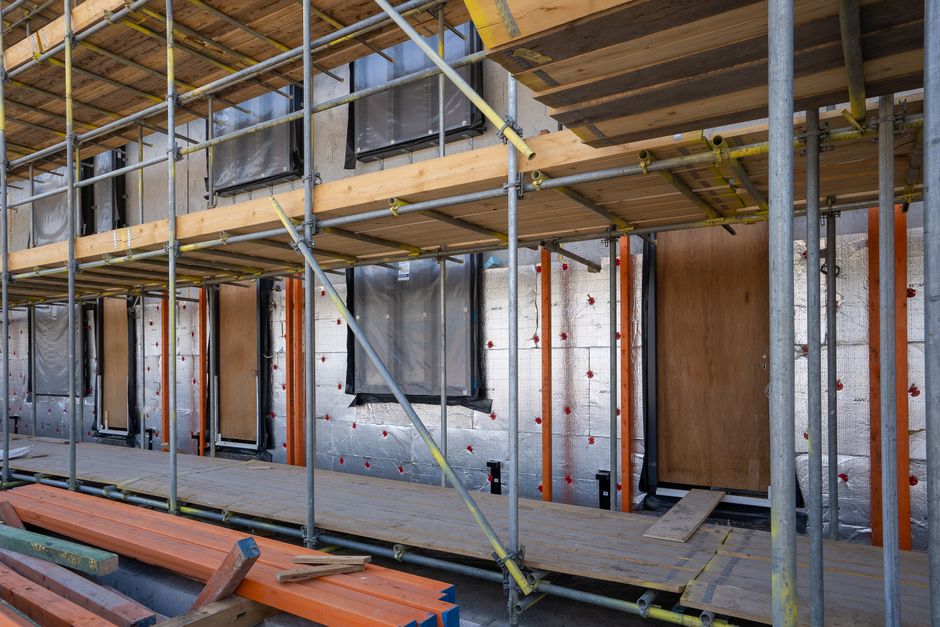
How to Choose Quality Building Materials for Your Home
Selecting building materials for a residential project involves more than comparing prices or looking for popular brands. The materials used in a home contribute to its structural integrity, energy efficiency, and long-term maintenance requirements. Understanding how to evaluate quality based on objective criteria helps homeowners and builders make informed decisions that align with project goals.
Material quality is often defined by a combination of factors including manufacturing standards, performance testing, and third-party verification. Grades and certifications provide a common language for assessing whether a product meets specific requirements for strength, fire resistance, moisture tolerance, or environmental impact. By learning to interpret these indicators, it becomes easier to identify materials that are appropriate for a given application.
This article outlines a systematic approach to evaluating building materials, covering how to interpret grades and certifications, assess supplier reliability, and weigh performance characteristics against project needs. The information presented is intended to support decision-making rather than prescribe specific choices, as every construction project involves unique conditions and priorities.
Understanding Material Grades and Standards
Material grades are classifications that indicate a product’s compliance with established performance criteria. For lumber, grades are set by organizations such as the American Lumber Standard Committee and define allowable defects, strength properties, and appearance. Similarly, concrete is graded by compressive strength, often designated in pounds per square inch (psi), while steel products follow ASTM International standards that specify tensile strength, yield point, and chemical composition.
When reviewing material specifications, it is helpful to identify which standard system applies to the product. Some grades are mandatory for certain applications, such as fire-rated drywall or structural framing, while others are optional and reflect higher quality tiers. Understanding these distinctions allows a builder to match the material’s capabilities to the demands of the design, such as load-bearing walls or exterior cladding exposed to weather.
In addition to national or international standards, regional building codes may impose additional requirements. For example, hurricane-prone areas often require impact-resistant windows and roof coverings. Checking local code provisions alongside material grades ensures that selected products meet the minimum safety thresholds for the location.
Key Certifications to Look For
Certifications provide independent verification that a material meets specific performance, safety, or sustainability criteria. Third-party testing agencies, such as ICC-ES (International Code Council Evaluation Service), evaluate products for compliance with building codes. A material bearing an ICC-ES report has been assessed for structural capacity, fire resistance, or durability, offering a layer of confidence beyond the manufacturer’s claims.
Other widely recognized certifications include UL (Underwriters Laboratories) for electrical and fire safety, Energy Star for energy efficiency, and Forest Stewardship Council (FSC) for wood sourced from responsibly managed forests. For insulation materials, products may carry a GREENGUARD certification indicating low chemical emissions. Each certification addresses a different aspect of quality, and choosing materials with relevant certifications can help address specific project requirements, such as indoor air quality or thermal performance.
It is important to note that not all certifications are equally rigorous. Some programs require ongoing factory inspections, while others rely solely on initial testing. When evaluating a certification, understanding the scope of the evaluation and whether it applies to the product’s intended use can inform the selection process. For example, a moisture-resistant drywall product may have a certification for mold resistance but not for fire rating, so both needs must be checked separately.
Evaluating Suppliers and Their Credentials
The reliability of a material supplier directly affects the consistency and quality of the products delivered. Established suppliers typically maintain relationships with multiple manufacturers and can provide detailed information about product origins, batch numbers, and test reports. When assessing a supplier, it is helpful to inquire about their quality control procedures, including how they store materials to prevent damage or degradation.
Reputation within the industry can be an indicator of reliability. Trade references, online reviews, and membership in professional organizations such as the National Association of Home Builders (NAHB) or local builder associations may offer insight into a supplier’s track record. Additionally, some suppliers provide warranties or guarantees that cover defects, which can be a useful consideration when comparing options.
Logistics also play a role in material quality. Suppliers who offer consistent delivery schedules and can accommodate special ordering requirements help reduce the risk of project delays or substitutions. In some cases, local suppliers may understand regional material availability and climate-related performance nuances better than national chains, which can contribute to more informed recommendations.
Assessing Material Performance and Longevity
Durability and longevity depend not only on material composition but also on how the product is manufactured and used. Performance data from laboratory tests, such as freeze-thaw resistance for concrete or UV degradation rates for exterior paints, provide a basis for comparing options. However, real-world performance can vary due to installation quality, environmental exposure, and maintenance practices.
One approach to evaluating longevity is to examine historical data or case studies for similar applications. For instance, fiber cement siding has a track record of resisting moisture and impact in various climates, while engineered wood products may offer dimensional stability but require proper sealing to prevent rot. Consulting with builders or inspectors who have experience with the material in the local region can yield practical insights.
When considering materials for structural elements, such as beams or foundation walls, it is important to review load ratings and deflection limits. For finishes like flooring or roofing, factors like abrasion resistance, slip resistance, and warranty coverage can be relevant. A thorough assessment of these parameters helps align material choices with the expected lifespan and performance requirements of the home.
Making Informed Choices for Your Project
Selecting quality building materials is a process that involves integrating information from multiple sources. By examining material grades, certifications, supplier credentials, and performance data, individuals can develop a framework for comparing products. This systematic approach reduces reliance on marketing claims and supports decisions based on objective criteria.
Cost considerations are part of the decision but should be balanced against expected performance and long-term maintenance. A lower-priced product may save money upfront but could lead to higher repair or replacement costs over time. Conversely, a premium material may offer benefits that are not necessary for a given application. Evaluating the total cost of ownership, including installation, maintenance, and lifespan, provides a more complete picture of value.
Engaging with professionals such as architects, structural engineers, or qualified contractors can further refine material selections. These experts bring familiarity with local codes, material compatibility, and installation best practices. Ultimately, a careful and informed approach to material selection contributes to the safety, durability, and comfort of the finished home.